
Healthcare Marketing Automation: A DPC Guide | Amplify DPC
Healthcare Marketing Automation Explained for Direct Care Practice
Keeping up with patient communication can quickly become a full-time job. A new inquiry comes in, someone needs a follow-up, a meet-and-greet is coming up, and existing members need to stay engaged. Healthcare marketing automation helps organize those touchpoints so your practice can communicate consistently without managing every step manually.
Here is what it actually looks like in a DPC setting and which workflows are worth setting up first.
What Healthcare Marketing Automation Means for Direct Care Practices
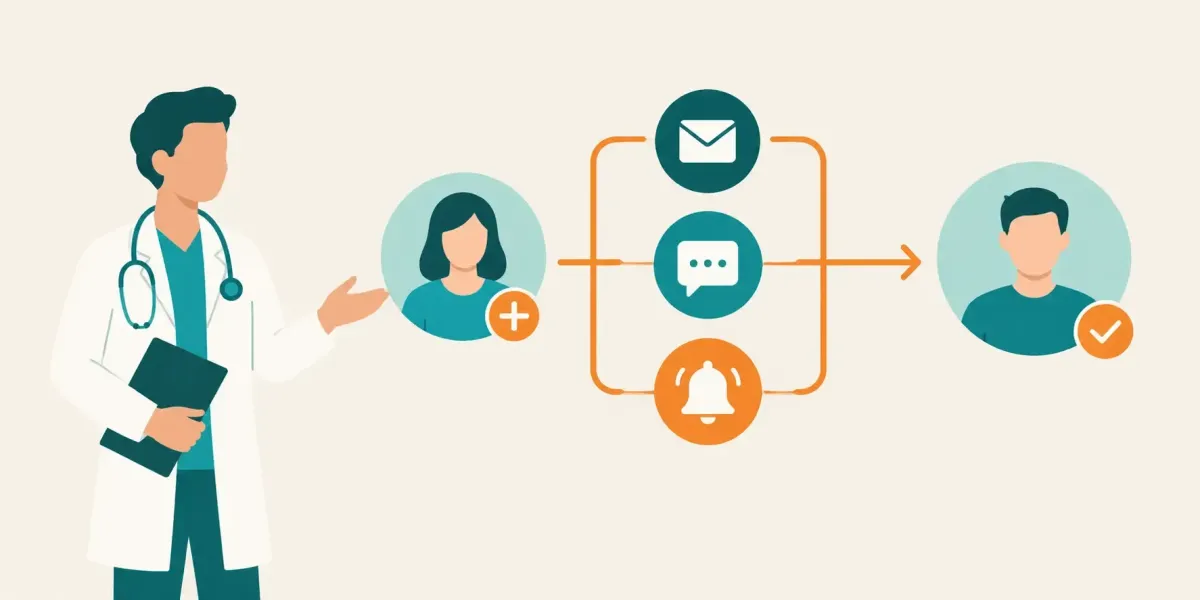
Healthcare marketing automation uses software to automatically deliver personalized messages to the right patients at the right time, without manual intervention. A prospective member fills out a form, and a welcome email goes out automatically. As a patient's membership renewal date approaches, a reminder fires automatically.
For a Direct Care practice, this isn't about replacing the personal relationship that makes the model work. It's about making sure that relationship doesn't stall out because a follow-up got lost in a busy week.
The global market for this kind of software is projected to grow from $47.02 billion in 2025 to $81.01 billion by 2030, according to a MarketsandMarkets industry report, and healthcare is one of the fastest-growing segments driving that expansion.
For Direct Care practices, growth depends on staying responsive at every stage of the patient journey, from the first inquiry to the meet-and-greet to renewal. Automation helps practices keep up without adding more work to their plate.
Why Generic Automation Tools Fall Short for Direct Care
Most marketing automation platforms are built for retail or general business use, not for a membership-based medical practice. That gap shows up quickly once you start using one.
A generic platform doesn't distinguish between a "prospect" and a "patient." It won't have a workflow for a meet-and-greet, an offboarding survey, or a membership renewal cycle. Practices often end up building these sequences from scratch, then bolting on a separate tool just for HIPAA-related consent tracking.
A platform built specifically for Direct Care, like Amplify DPC, starts from the patient lifecycle instead of a generic sales funnel, with a distinct workflow for each stage of the relationship. That structure means less time configuring workarounds and more time on the parts of the practice only a physician or care team can handle.
Core Automation Workflows DPC Practices Actually Need
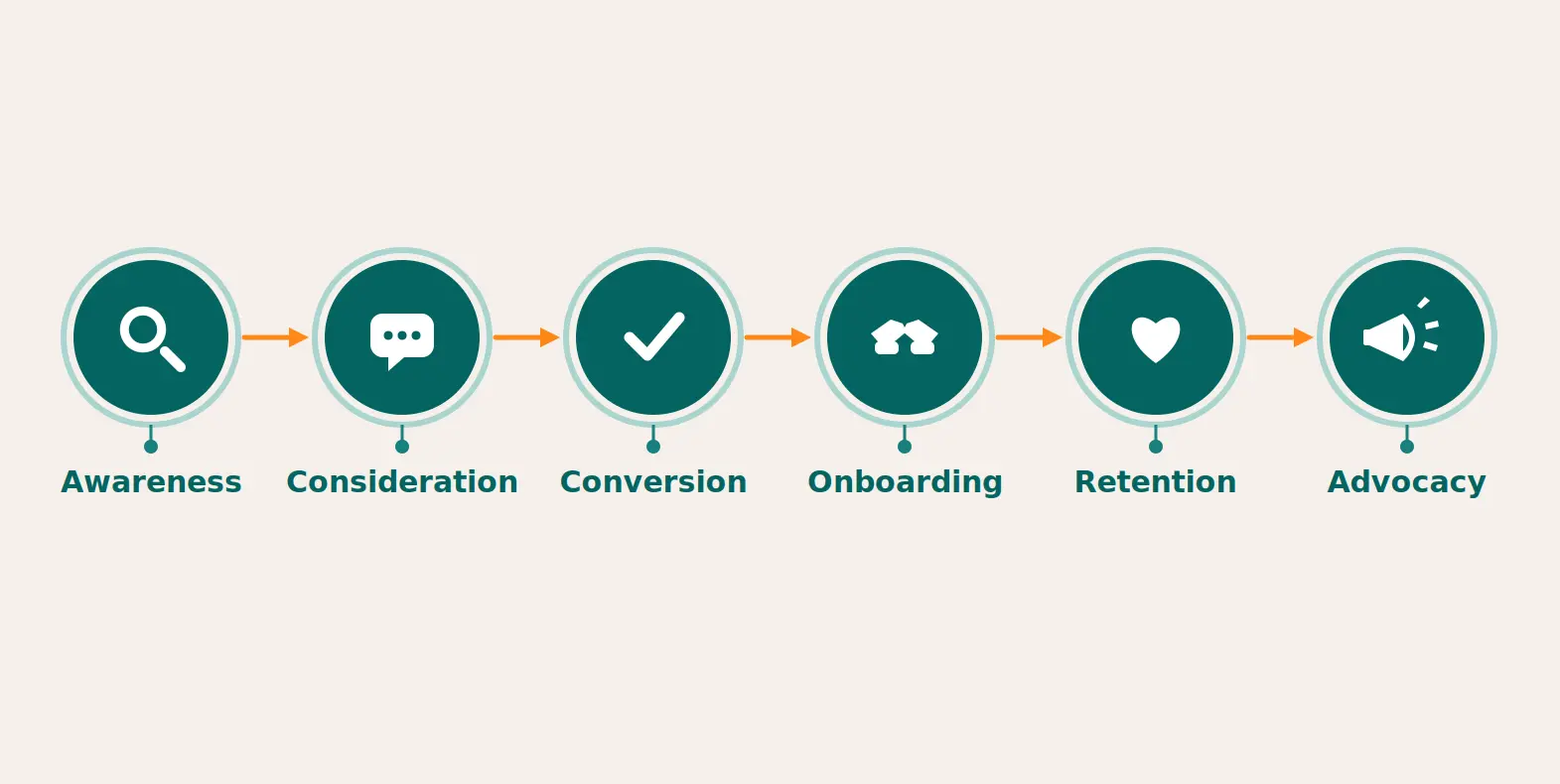
Not every automation is worth building. Amplify DPC organizes these workflows around six stages of the patient lifecycle, each with a specific job:
Awareness: Start The Relationship With Helpful Information
When someone shows interest in DPC, such as by downloading a guide or visiting an educational page, automation can trigger a short series of emails that explains how the model works and introduces the practice.
Consideration: Keep The Conversation Going
Once someone submits an inquiry or asks for more information, automation can follow up with answers to common questions, practice details, and an easy way to schedule a meet-and-greet. This is where an email nurture sequence earns its keep. Someone who fills out a contact form rarely joins the first time they hear from you, so the sequence keeps following up automatically with information about the DPC model until they're ready to take the next step, so no lead goes cold just because staff got pulled into something else.
Conversion: Make The Next Step Easy
After a meet-and-greet, automation can send a timely follow-up with membership details, answer common questions, and give the prospect a simple way to enroll.
Onboarding: Help New Members Feel at Home
Once someone joins, a welcome sequence can automatically share next steps, forms, contact information, and what to expect from their first visit, so the practice doesn't have to send everything manually. The first few weeks of membership set the tone for retention, and a well-built onboarding workflow walks a new patient through exactly what to expect and how to reach the practice, without anyone having to remember to send it by hand.
Retention: Stay Connected Beyond The First Visit
Automation can help practices stay in touch with members through appointment reminders, check-ins, educational content, and other timely messages that keep patients engaged with their care.
Missed-call text-backs, birthday messages, and periodic check-ins keep that relationship active between visits, and pairing them with healthcare marketing techniques that boost patient engagement can further strengthen the connection. A Database Reactivation Campaign can also re-engage patients who inquired months ago but never followed through, often surfacing appointments a practice would otherwise have written off. Practices that want deeper insight into how members feel can pair these workflows with dedicated patient satisfaction survey software.
Advocacy: Turn Great Patient Experiences Into Referrals
When a patient has a positive experience or reaches an important milestone, automation can prompt them to leave a review or refer someone they know, making it easy to spread the word about the practice.
This is the same structure Amplify DPC's automation is built around, mapping directly to how someone actually becomes and stays a member.
HIPAA-Compliant Automation Considerations
Automating patient communication involves handling protected health information, which comes with real requirements. The HIPAA Privacy Rule requires patient authorization before using health information for marketing communications, with limited exceptions, such as refill reminders, according to guidance from the U.S. Department of Health and Human Services.
A few things matter here:
• A signed Business Associate Agreement (BAA) is required with any platform handling patient data, not just a claim of being "HIPAA-compliant."
• The HIPAA add-on in a compliant platform enables encryption of ePHI, Business Associate Agreements, audit logging, and multi-factor authentication. These are the specific protections that make patient data handling verifiable and legally defensible.
• Consent and opt-in tracking should be documented automatically, not managed in a separate spreadsheet.
The research backs this up, too. A randomized study at Kaiser Permanente Washington found that an additional text message reminder reduced no-shows for primary care visits by 7%. Automated, compliant reminders aren't just a compliance checkbox. They measurably reduce missed appointments. For a Direct Care practice, that means fewer empty appointment slots and more consistent revenue, without adding a single manual phone call to anyone's to-do list.
How Amplify DPC Brings It All Together
Amplify DPC is built around that principle. Its pre-built lifecycle workflows handle the follow-ups, reminders, and onboarding sequences so the practice's time stays where it belongs: with the patient. Amplify DPC works with Direct Primary Care practices across the United States, from solo physicians to growing multi-provider teams.
If you're ready to see how these workflows would look inside your own practice, we'd love to show you. Book a demo with Amplify DPC and walk through it together.
Frequently Asked Questions
1. What is healthcare marketing automation?
It's software that sends patient communications automatically based on triggers rather than manual effort. For a Direct Care practice, this covers the full patient journey, from a prospect's first inquiry and meet-and-greet through onboarding, renewal, and long-term membership retention. Unlike generic tools built for retail or general business use, Direct Care-specific platforms start from the patient lifecycle rather than a standard sales funnel.
2. How does marketing automation work for DPC practices?
A Direct Care-specific platform maps automations to where a person actually sits in their journey toward membership and triggers the right message accordingly, whether that is a nurture email, an onboarding sequence, or a renewal reminder.
A healthcare CRM tracks each contact's position in that journey and handles the sequencing automatically.
3. What automation tools do DPC practices actually need?
At minimum, most practices benefit from a lead nurture sequence, an onboarding workflow, and a follow-up or retention sequence. Beyond that, workflows like missed-call text-back and the Database Reactivation Campaign address specific, recurring gaps in patient communication. Amplify DPC includes all of these as pre-built workflows, so practices don't have to build them from scratch.
4. Is marketing automation worth it for a small medical practice?
For a membership-based practice with a small team, automation often replaces work that would otherwise require additional staff hours. The tradeoff is usually measured in time saved on manual follow-up rather than a direct revenue figure.
5. What makes a marketing platform HIPAA-compliant for a DPC practice?
A compliant platform needs a signed Business Associate Agreement in place, along with features that protect patient data: encryption of ePHI, audit logging, and multi-factor authentication. These are the protections that make automated patient communication legally defensible, not just a platform's general claim of compliance.
Key Takeaways
• This kind of automation should follow the actual patient lifecycle (inquiry to renewal), not a generic retail sales funnel.
• Start with at least three workflows: lead nurture, onboarding, and follow-up/retention. These cover the highest-impact gaps for most DPC practices.
• Automated appointment reminders have a measurable, research-backed impact on reducing no-shows.
• The goal of automation is to protect your time for patient care, not to standardize the personal relationship that makes the Direct Care model worth choosing.